Selling Feeling in the Smallest Details
We live in a Western culture, but within it there is a lot of depth to be found in the cultural identity of its population, including East Asian and African. I am going to base my cross-referencing on these two cultures. London is a good example. At the 2021 census, its population was about 8.8 million, and 46% identified as Asian, Black, Mixed or Other ethnic groups. Only 37% identified as White British, and around 41% were born outside the UK.
What East Asian and African cultures share is a family-centric approach and a deep respect for tradition. Business and celebration are both about people, which is why cultural intelligence matters in each. It brokers deals, and it makes someone feel celebrated and appreciated. In the end, you are selling a feeling, and the feeling lives in the smallest details. The iPhone takes a long time to unbox, and that builds anticipation, which is a psychological trait. Nothing about the phone changes. The experience around it does.
Family and respect for tradition
East Asian cultures, Japan above all, are largely self-policed. Tradition is kept because everyone quietly keeps it, and nobody has to enforce it. Family is the ecosystem at the center, and respect for tradition lives in the small things, like no one picking up their chopsticks until the eldest has begun.
In the international world, the pendulum swings between two extremes. On one side, tradition is relaxed and the attitude is "do what you want." On the other, culture is fixed and everything is "by the book, this is how we do it." The sweet spot is a balance of both.
Hospitality and food
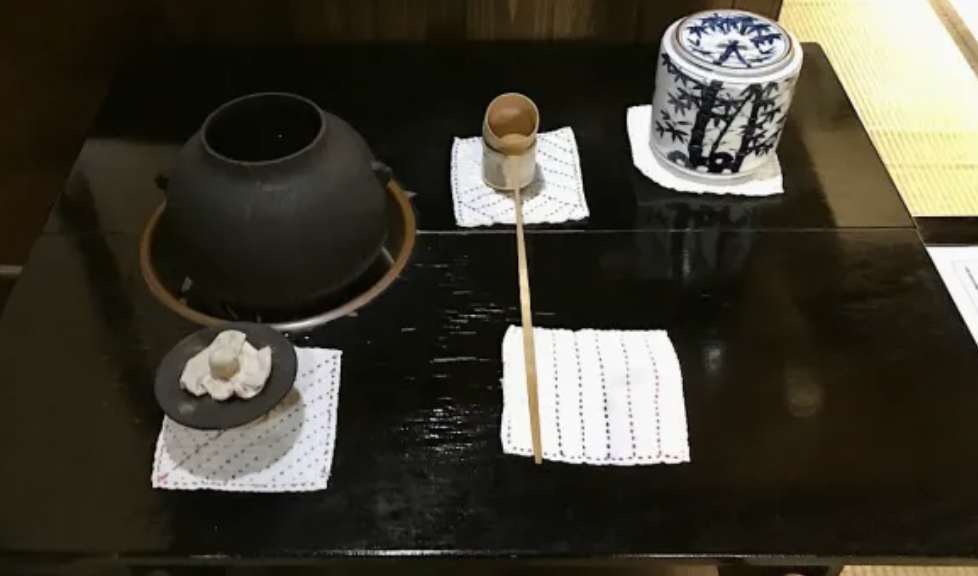
In practice, that means a family-centric approach to hospitality and decor. The easy wins are the things that remind guests of home. Tea is a good example, and it is an East Asian tradition: offer a selection, such as jasmine green tea and plain jasmine tea, familiar but not obscure. The aim is to tap into the culture without overdoing it. Lanterns and cultural props are fine in small doses, but most people don't have them at home, so what serves guests is a homey feel.
Food should be an experience. At Eculent, an experimental fine dining restaurant and liquid lab in Kemah, Texas, the chef draws on Native American food culture and teaches a lesson in what that culture and its food represent. There is no menu. The meal is nostalgic, yet it feels like a whole experience, the kind that makes a guest say, "this reminds me of when I was..."
An Anglo-Sierra Leonean wedding in London
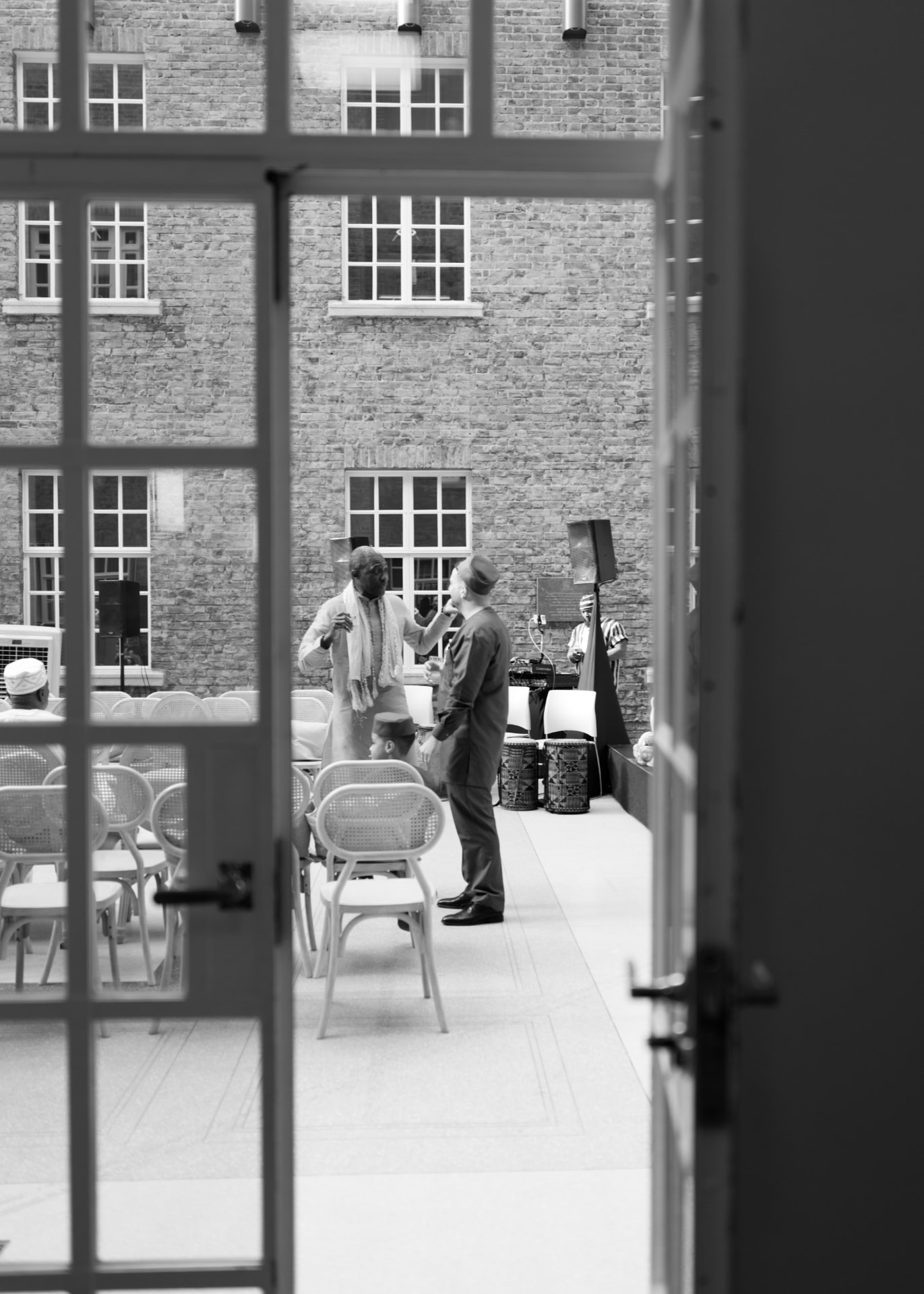
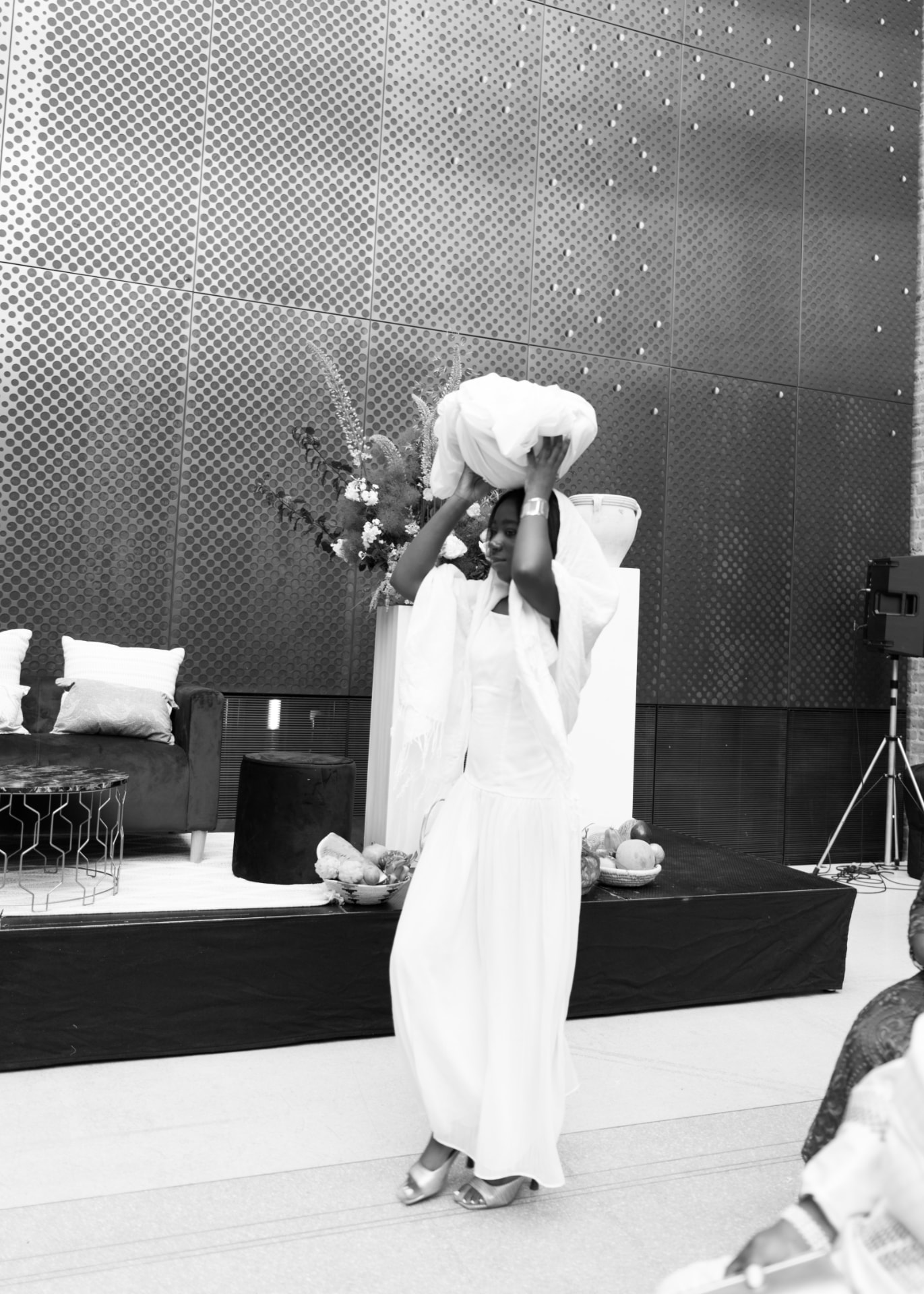
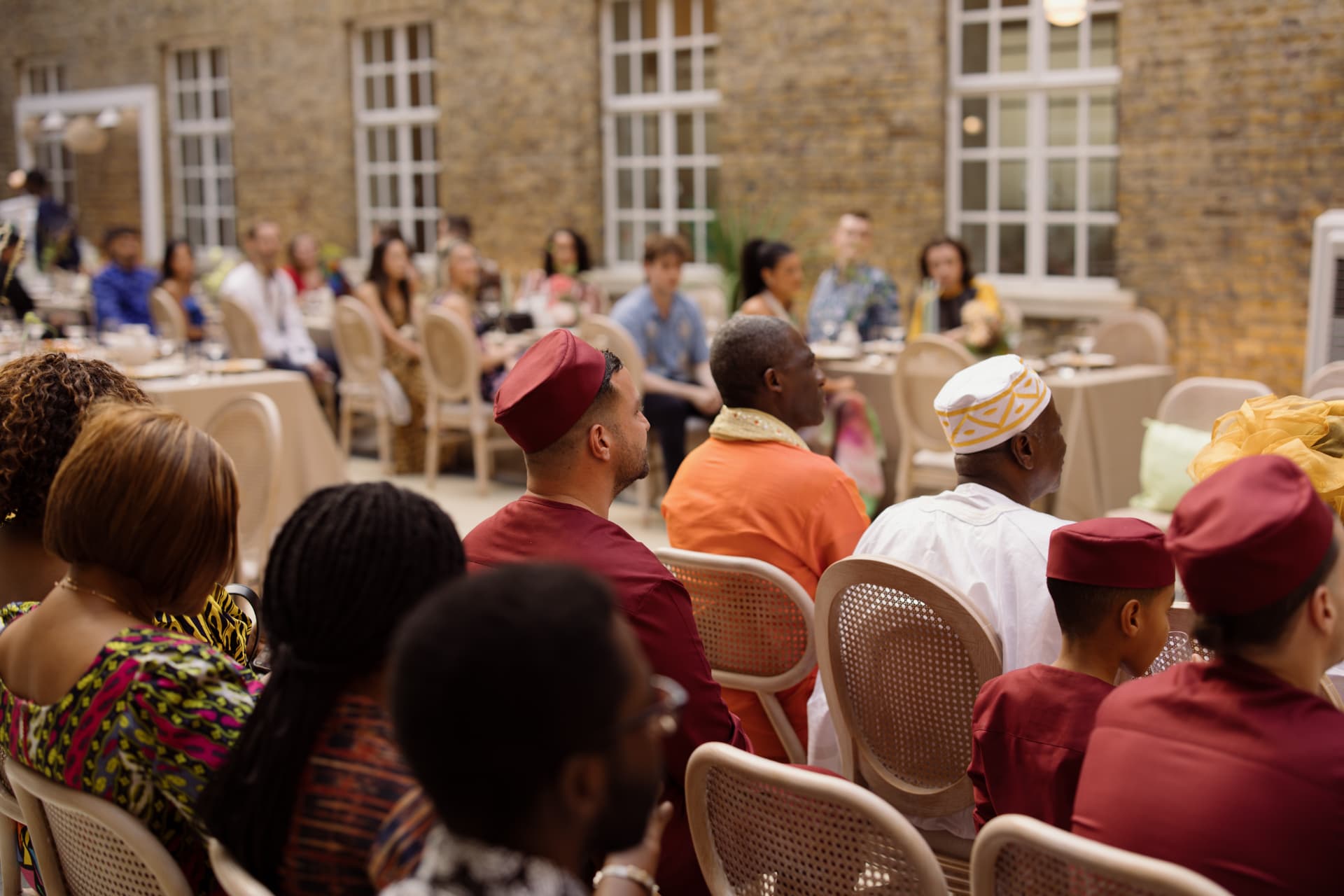
I used exactly this theory for an Anglo-Sierra Leonean fusion wedding I planned in London: 55 guests in an exclusive venue with a private chef. In a Sierra Leonean celebration, the groom comes to the bride's house to collect her. It is an extremely emotional journey. So we found a venue that looks like a house.
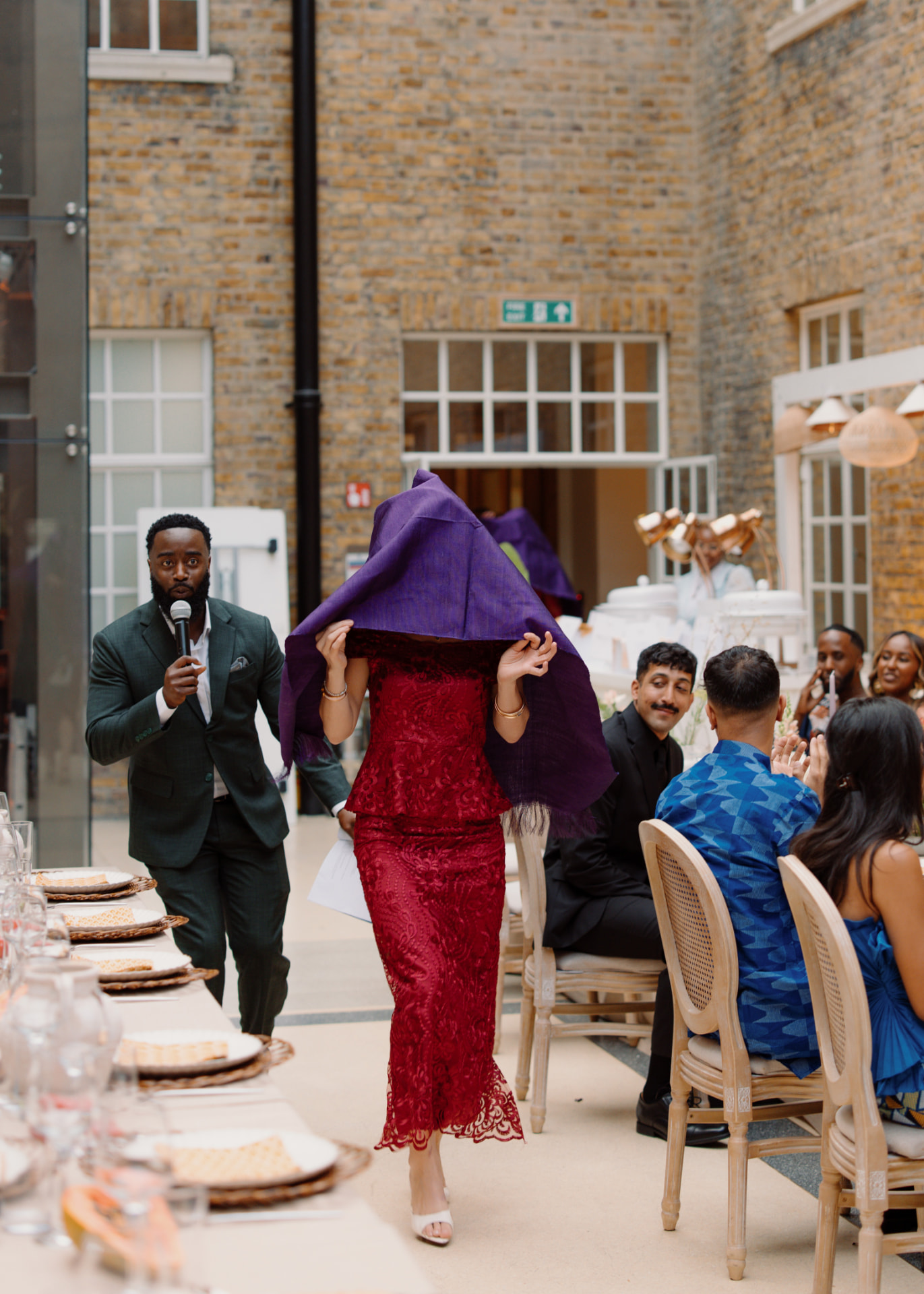
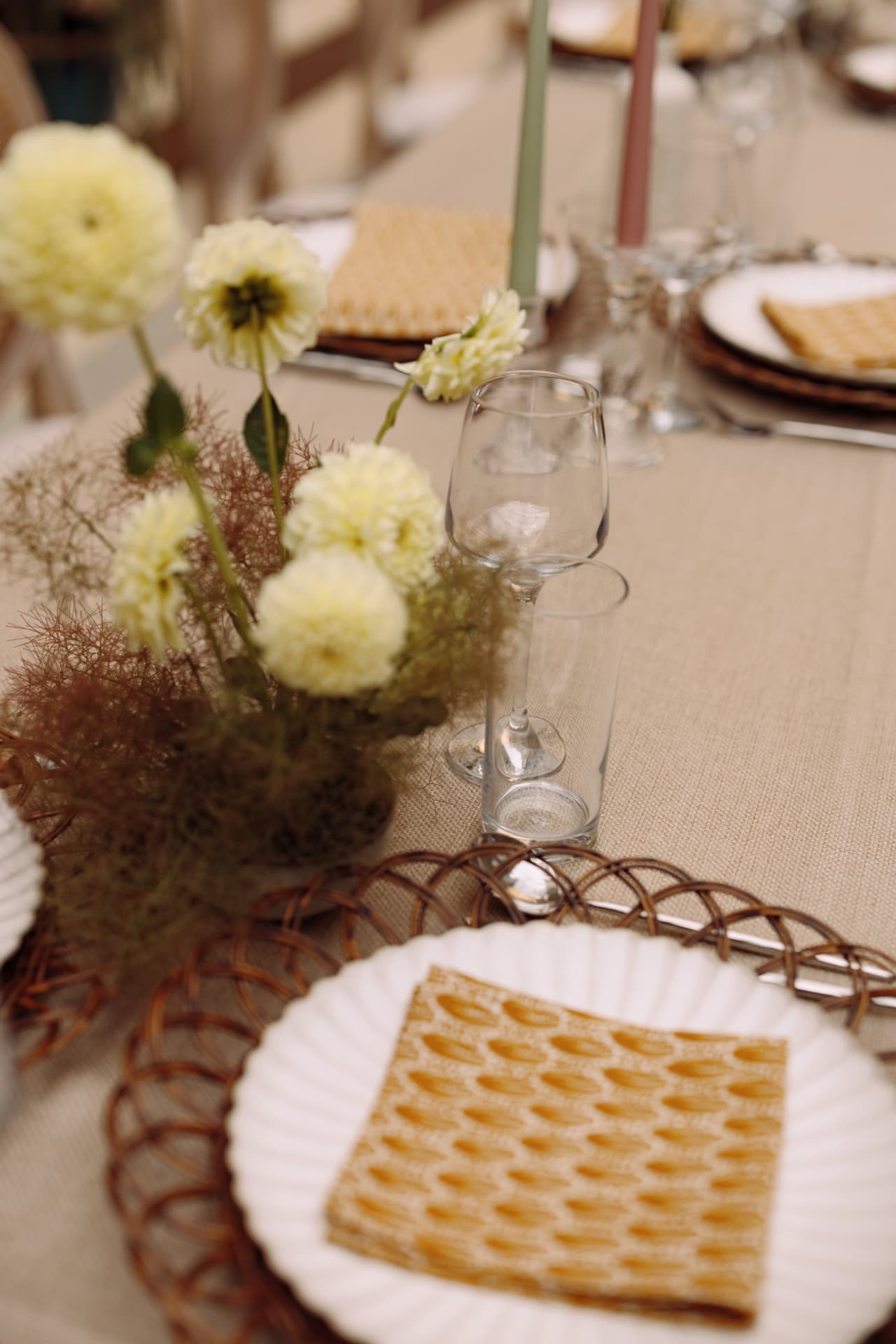
The jollof, served with Krio stew, was presented the way my mother would present it, with pride, on the dining table. Krio stew is the Sierra Leonean stew that goes with jollof rice, a delicacy reserved for special celebrations. It was cooked with herbs, and the smell of bay leaf tells you it's home-cooked before you've taken a bite. The room was light-filled. The table was not dressed with a cliché African fabric tablecloth. It was set with the finest linen, for the special guests you are hosting. In a Sierra Leonean home, the plates would be fine bone china, often locked away and only brought out for special occasions. Because this was a fusion celebration for a modern couple, we tweaked that to modern ceramic plates, a true reflection of the couple's sense of style, which also spoke to the style of the venue. Small compromises like this, in the right places, are never cliché. Together they brought in the idea of family.
The cassava leaves, a separate dish, were served in a wooden bowl with a "tik spoon" (a wooden spoon), done the Sierra Leonean way. It wasn't stoic. It had movement, and it smelt delicious in a way only a Sierra Leonean could approve of. A whole Scotch bonnet was thrown on top for those who value their spice. Everything was presented in beautiful ceramics and wooden bowls, not cliché dishes. It was served piping hot, as you would in a Sierra Leonean home, and never touched without prayers to bless it. Those details mattered.
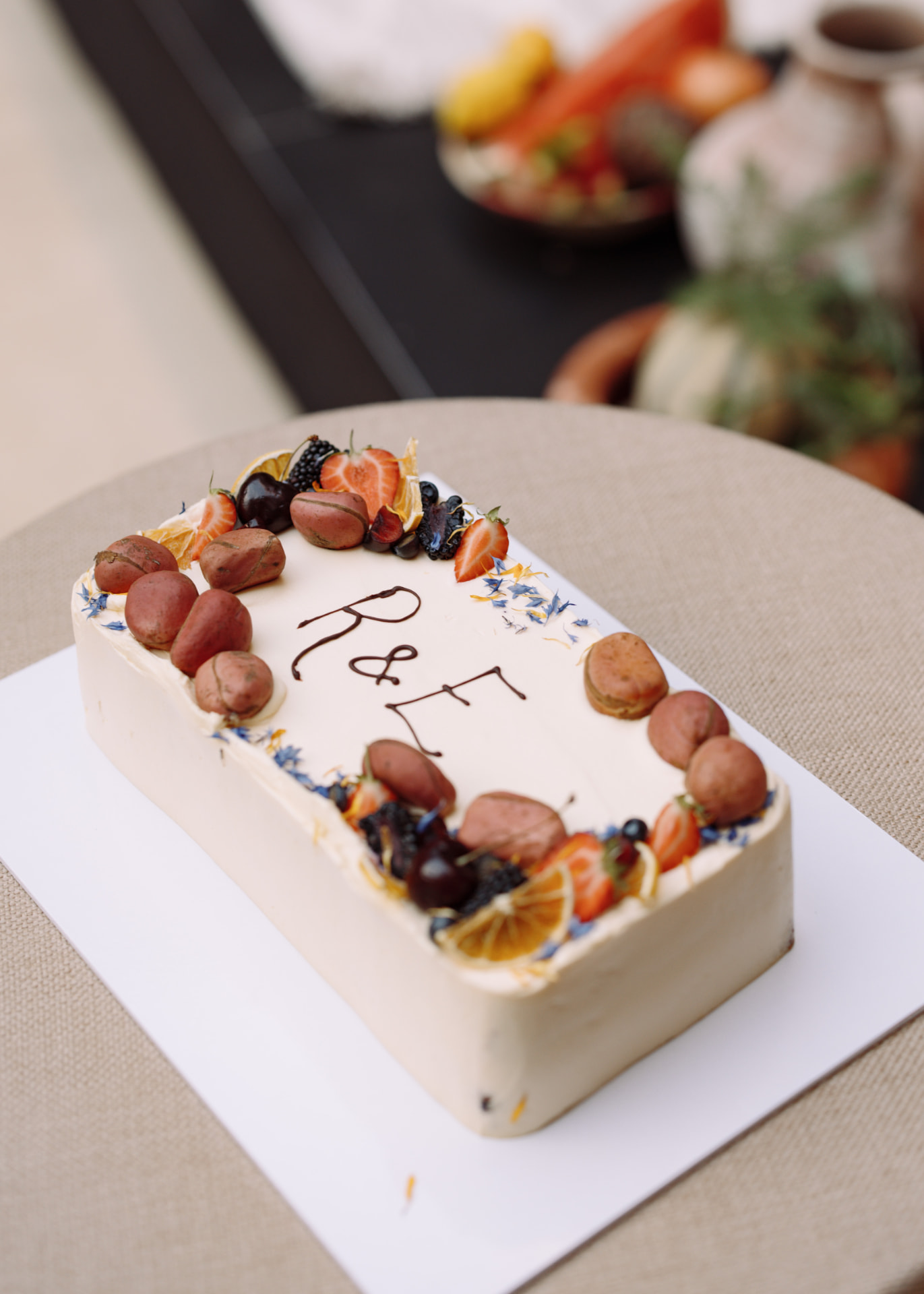
Family also means hierarchy, and respect lives in the small things. In a Sierra Leonean home, the head of the family dishes first at family meals and gets the best of everything, including the thighs of the chicken. It is a family tradition, and the same goes for East Asian cultures. Growing up as the youngest girl, I was served the pieces that felt irrelevant: tough, organic chicken that I had no appreciation for at the time. When I first came to the UK, I treated myself to a family-size KFC with massive drumsticks and ate the lot, to make up for all the years of unequal distribution. I never did it again.
The niche details
It's the really niche details like these that tap into a culture. In East Asian cuisine, noodles represent longevity and fish represents abundance. Most guests would never think to ask for that, which is why consulting a cultural fusion specialist can add those touches to the overall culinary experience.
Why take people to the most luxurious place if it has no resonance for them? This is why I believe a cultural intelligence specialist should be consulted in these matters.
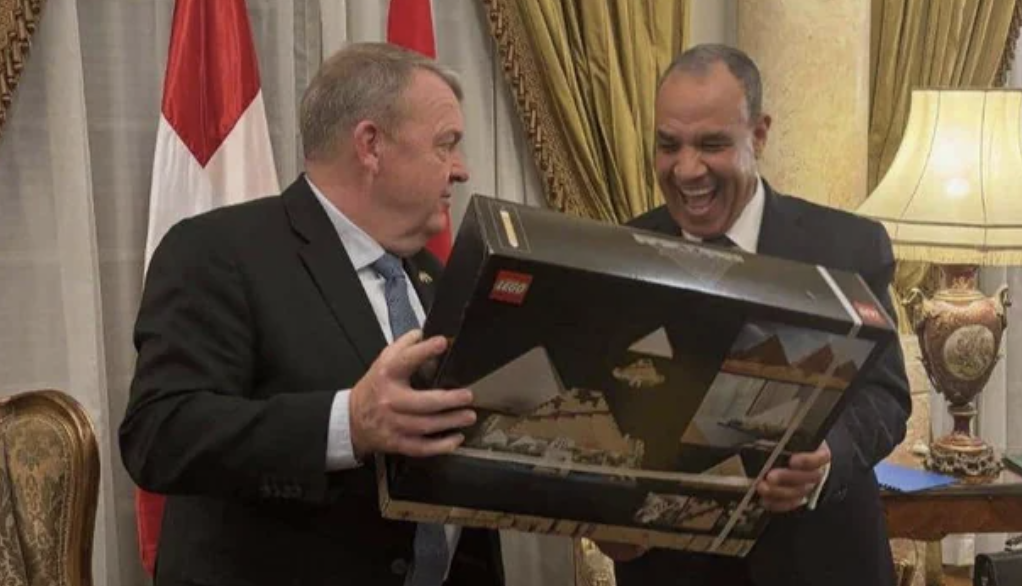
The Danish foreign minister and the Egyptian foreign minister exchanged gifts. The Danish foreign minister gave the Egyptian foreign minister a giant Lego pyramid, and he was so excited. It was less about the cliché and more about a boy's toy that resonates with Egypt. The Egyptian foreign minister gave him a traditional sphinx ornament in return. But it was the simplicity and cleverness of the Lego that won.
The future of cultural fusion
This fusion celebration went viral on Instagram. The engagement, and the pride from Sierra Leonean and West African brides, made me realise that this is the future.
The ability to tap into the psychological traits of cultures, and to present the best experience by paying attention to the smallest details, is for me what cultural fusion celebrations are all about. Whether you want to win over international clients and international guests, or win the respect of your friends and family, this is a surefire way to make them feel felt, seen, respected and appreciated. It's the thought that counts, as they say, and this is what it is all about.